A Recession Doesn’t Equal a Housing Crisis
Mortgage
Mortgage
Everywhere you look, people are talking about a potential recession. And if you’re planning to buy or sell a house, this may leave you wondering if your plans are still a wise move. To help ease your mind, experts are saying that if we do officially enter a recession, it’ll be mild and short. As the Federal Reserve explained in their March meeting:
“. . . the staff’s projection at the time of the March meeting included a mild recession starting later this year, with a recovery over the subsequent two years.”
While a recession may be on the horizon, it won’t be one for the housing market record books like the crash in 2008. What we have to remember is that a recession doesn’t always lead to a housing crisis.
To prove it, let’s look at the historical data of what happened in real estate during previous recessions. That way you know why you shouldn’t be afraid of what a recession could mean for the housing market today.
To show that home prices don’t fall every time there’s a recession, it helps to turn to historical data. As the graph below illustrates, looking at recessions going all the way back to 1980, home prices appreciated in four of the last six of them. So historically, when the economy slows down, it doesn’t mean home values will always fall.

Most people remember the housing crisis in 2008 (the larger of the two red bars in the graph above) and think another recession will be a repeat of what happened to housing then. But today’s housing market isn’t about to crash because the fundamentals of the market are different than they were in 2008. Back then, one of the big reasons why prices fell was because there was a surplus of homes for sale at the same time distressed properties flooded the market. Today, the number of homes for sale is low, so while home prices may see slight declines in some areas and slight gains in others, a crash simply isn’t in the cards.
What a recession really means for the housing market is falling mortgage rates. As the graph below shows, historically, each time the economy slowed down, mortgage rates decreased.

Bankrate explains mortgage rates typically fall during an economic slowdown:
“During a traditional recession, the Fed will usually lower interest rates. This creates an incentive for people to spend money and stimulate the economy. It also typically leads to more affordable mortgage rates, which leads to more opportunity for homebuyers.”
This year, mortgage rates have been quite volatile as they’ve responded to high inflation. The 30-year fixed mortgage rate has hovered between roughly 6-7%, and that’s impacted affordability for many potential homebuyers.
But, if there is a recession, history tells us mortgage rates may fall below that threshold, even though the days of 3% are behind us.
You don’t need to fear what a recession means for the housing market. If we do have a recession, experts say it will be mild and short, and history shows it also means mortgage rates go down.
Stay up to date on the latest real estate trends.

Mortgage
The bigger opportunity is the Spring season as a whole
New Listing
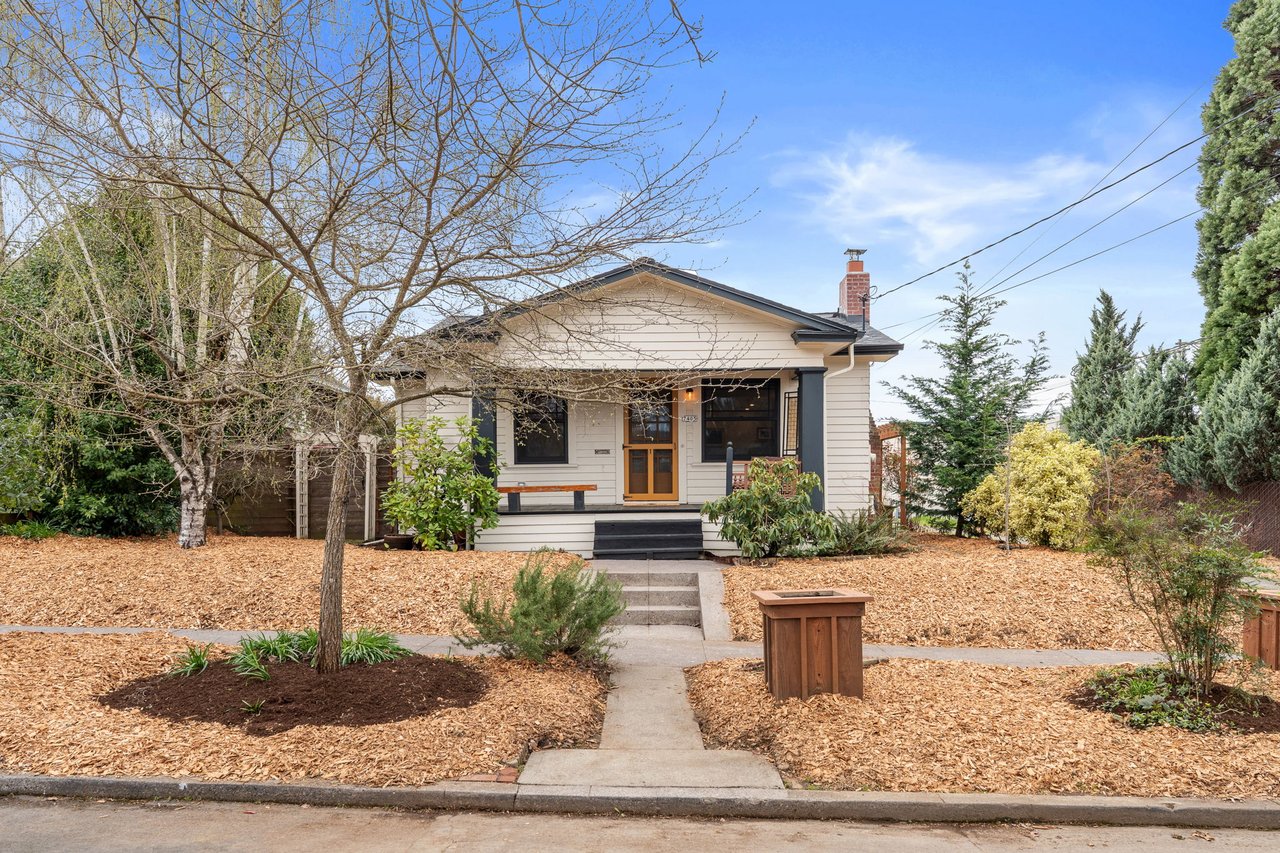
2 beds | 1.5 baths | 1,279 sq ft

Mortgage
Work with a trusted lender and take steps that’ll help you get the best rate possible
Mortgage
The right home improvements today can set you up for success tomorrow

Mortgage
The pressure buyers felt over the last few years is finally starting to ease

Mortgage
Buying your first home doesn’t mean you have to have everything figured out
Mortgage
One of the biggest dealbreakers for buyers today is inspection issues
New Listing
2 beds | 1 bath | 689 sq ft
Mortgage
Homeowners today have far more equity and flexibility than they did during the crash.
You’ve got questions and we can’t wait to answer them.